Home › Instruction sheets
No sheet matches that word. Try a shorter word, or call reception on +91 89193 41154.
Diabetes and hormones
Insulin, low sugar, sick days, home testing and the thyroid tablet. Diabetes and Obesity at Caspian
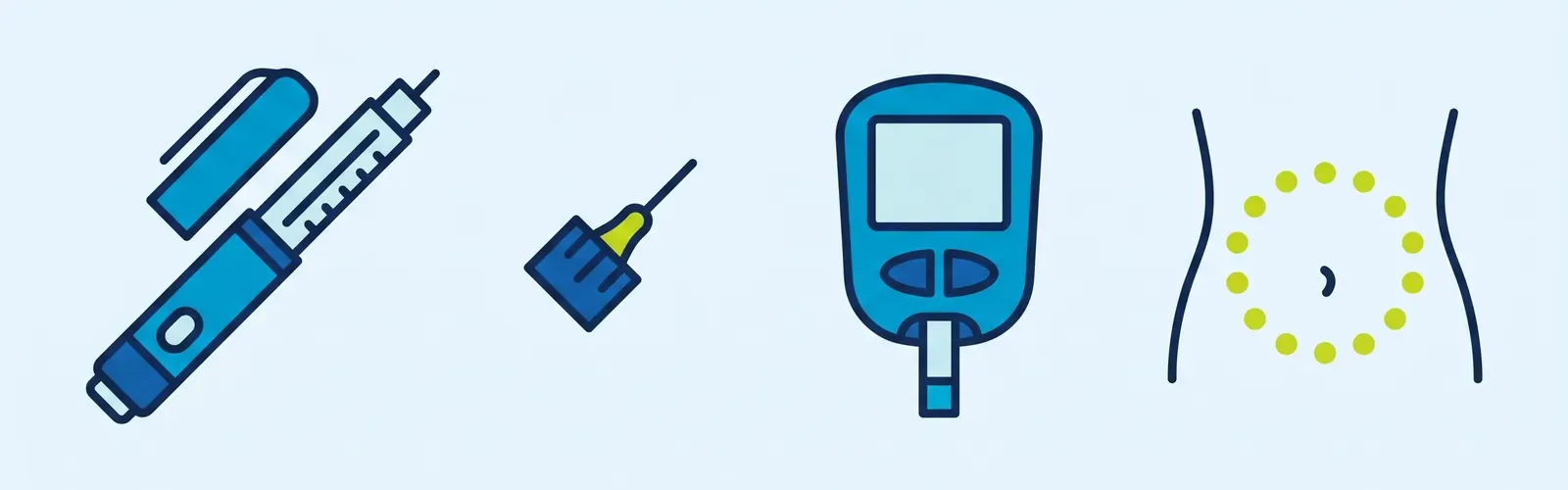
Injecting insulin with a pen
The ten steps of an injection, where to inject, how to rotate sites, and how to store insulin in Hyderabad heat.
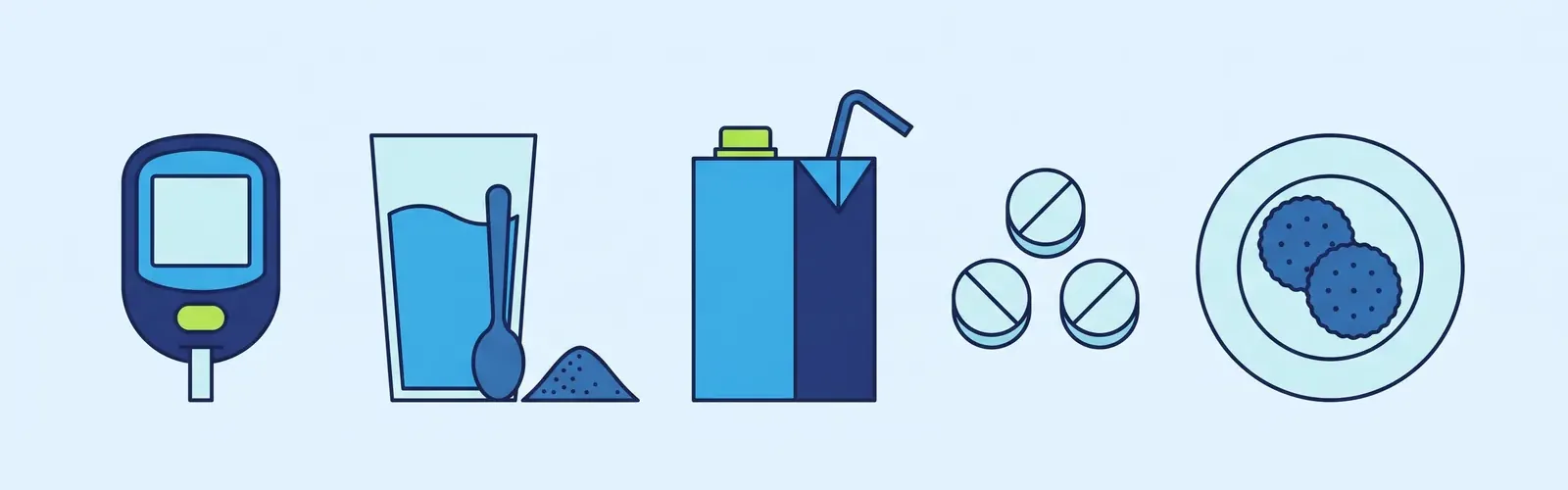
Low sugar: what to do
How to recognise a low, the 15 gram rule in Indian household measures, and what the family must do if you cannot swallow.
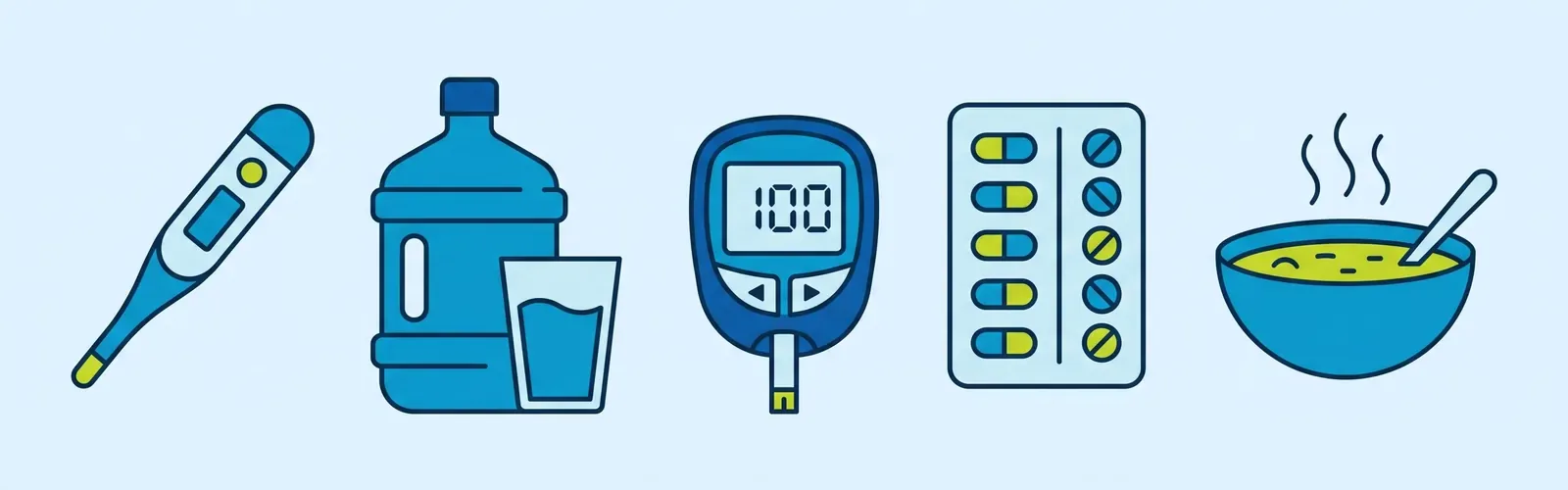
Sick day rules for diabetes
Which medicines to pause, why insulin must never be stopped, how much to drink, and when to go to hospital.
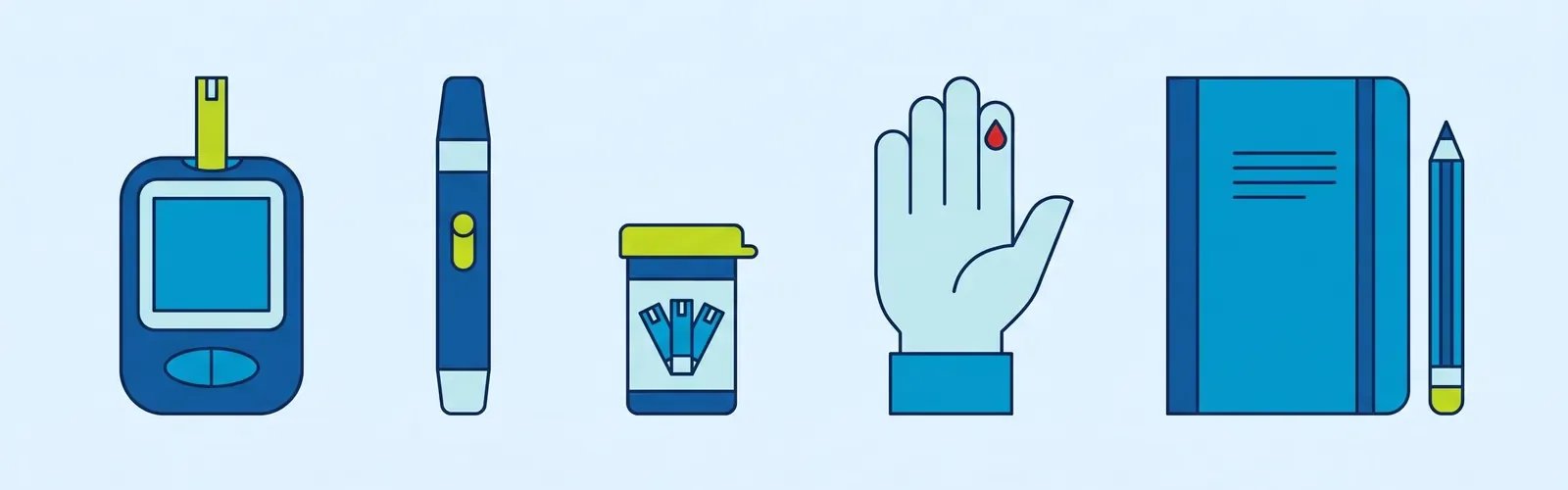
Checking your sugar at home
The right technique, when to test, what the numbers should be, and why a reading can be wrong.

Taking your thyroid tablet
Empty stomach, same time, same way every day, and the four-hour gap from calcium and iron.
Also on this site: Wearing a glucose sensor · Diabetes medicines before surgery or a procedure · High sugar on steroids · Fasting with diabetes in Ramzan · Foot care plan · Weight-loss injections: side effects · Storing injection pens · Returning used pens and needles
Children
Fever, loose motions, inhalers, medicines and vaccination. Pediatrics at Caspian
Fever in a child: care at home
How to measure, how much paracetamol by the child's weight, what not to give, and when a fever needs a doctor today.

Loose motions and vomiting in a child
How to mix ORS, how much to give after each motion, zinc for 14 days, and the signs of dehydration.
Inhaler with a spacer and mask, for a young child
The steps for a child who cannot yet use a mouthpiece, how to clean the spacer, and what to do after a steroid inhaler.
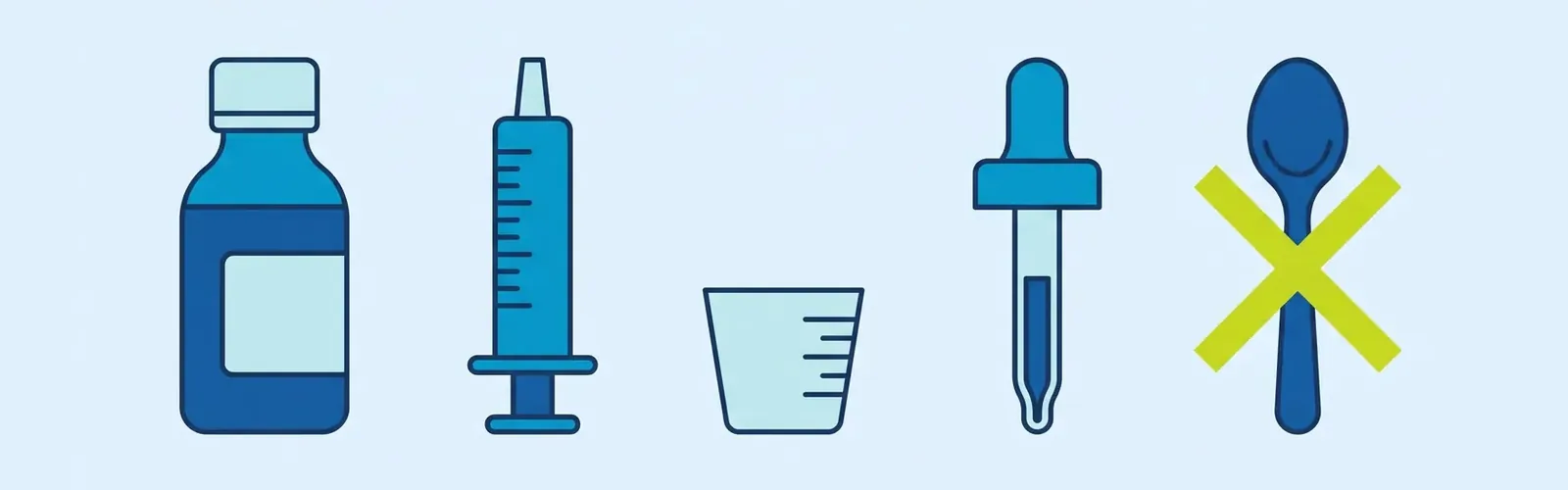
Giving medicine to a child safely
Why the kitchen spoon is the commonest cause of a wrong dose, how to mix an antibiotic powder, and what to do if the child vomits.
After your child's vaccination
The reactions to expect and when, how to comfort the child, and the few signs that need a doctor at once.
Heart and blood pressure
Home blood pressure, heart failure, angina and blood thinners. Heart Health and Preventive Cardiology at Caspian
Measuring blood pressure at home
The right machine, the right posture, a 7-day morning and evening record to print, and the readings that need action.
Living with heart failure: daily care
The daily weight check, salt and fluids, medicines to avoid, and the signs that the heart is struggling.
Chest pain from angina: using the tablet under the tongue
How to use the under-the-tongue nitrate tablet or spray, when to call 108, and the medicines it must never be mixed with.
Taking a blood thinner safely
Same time every day, what to do about a missed dose, the foods and medicines that interfere, and the bleeding signs that need a doctor.
Also on this site: Lp(a) heart risk check
Mind and sleep
Antidepressants, sleep, panic attacks, lithium and the first visit. Psychiatry at Caspian

Starting an antidepressant
When it starts to work, the early side effects that pass, why you must not stop suddenly, and the warning signs to act on.

Sleep: habits that help
The rules that retrain sleep, the caffeine and screen cut-offs, and what to know about sleeping tablets.

Panic attack: what to do
What a panic attack is, the slow breathing that settles it, what not to do, and when chest pain needs emergency care instead.
Taking lithium safely
The 12-hour blood test, why fluids and salt must stay steady, the medicines to avoid, and the signs of too much lithium.

Your first psychiatry appointment
What to bring, what the doctor will ask, your rights to confidentiality, and how to prepare for psychological testing.
Lungs and breathing
Inhalers, asthma attacks, spirometry and nebulisers. Pulmonology at Caspian
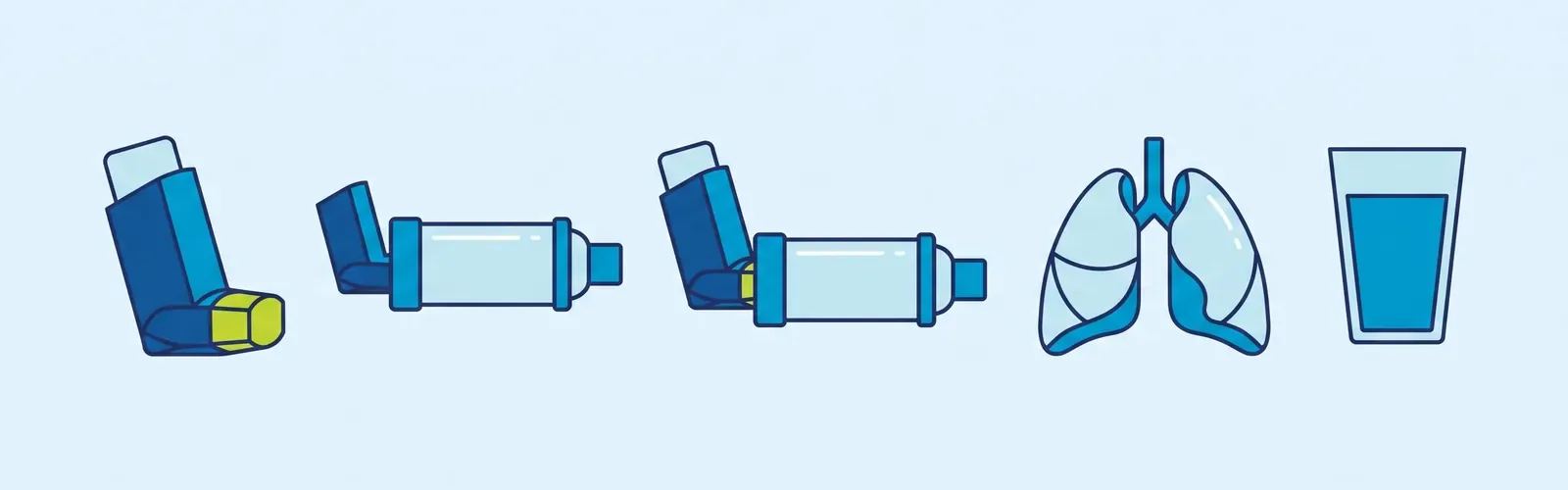
Using an inhaler with a spacer
Shake, one puff, breathe: the steps that get the medicine into the lungs instead of the mouth, and how to care for the spacer.
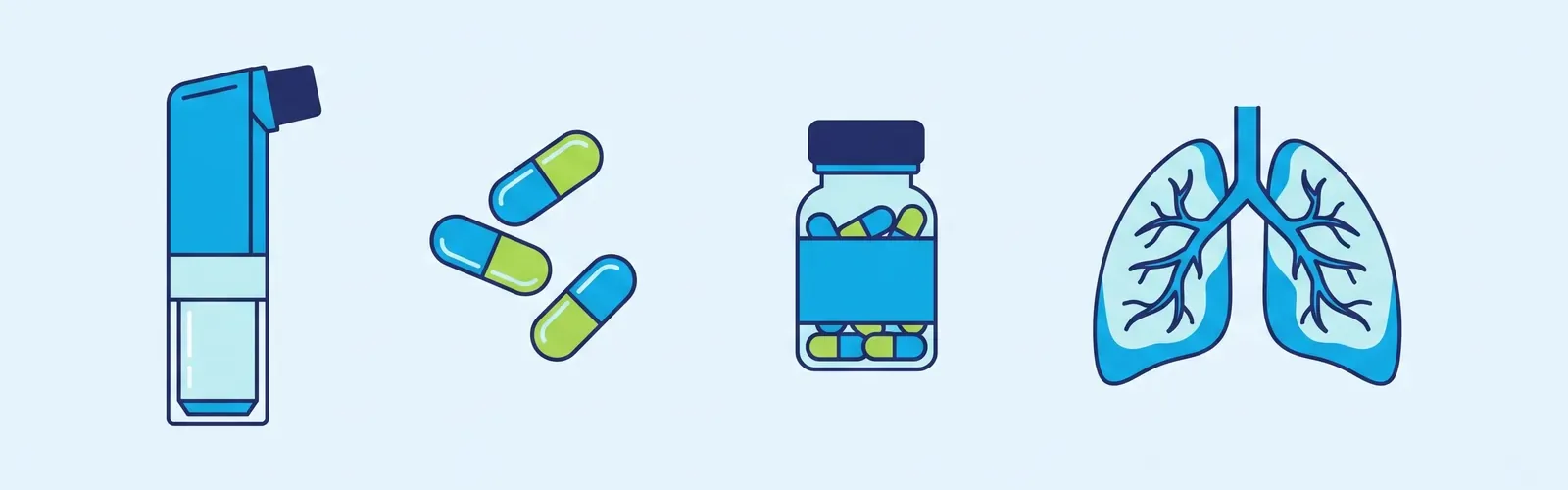
Using a capsule inhaler
The opposite of a puffer: breathe in fast and deep. Step by step for the two commonest capsule devices.
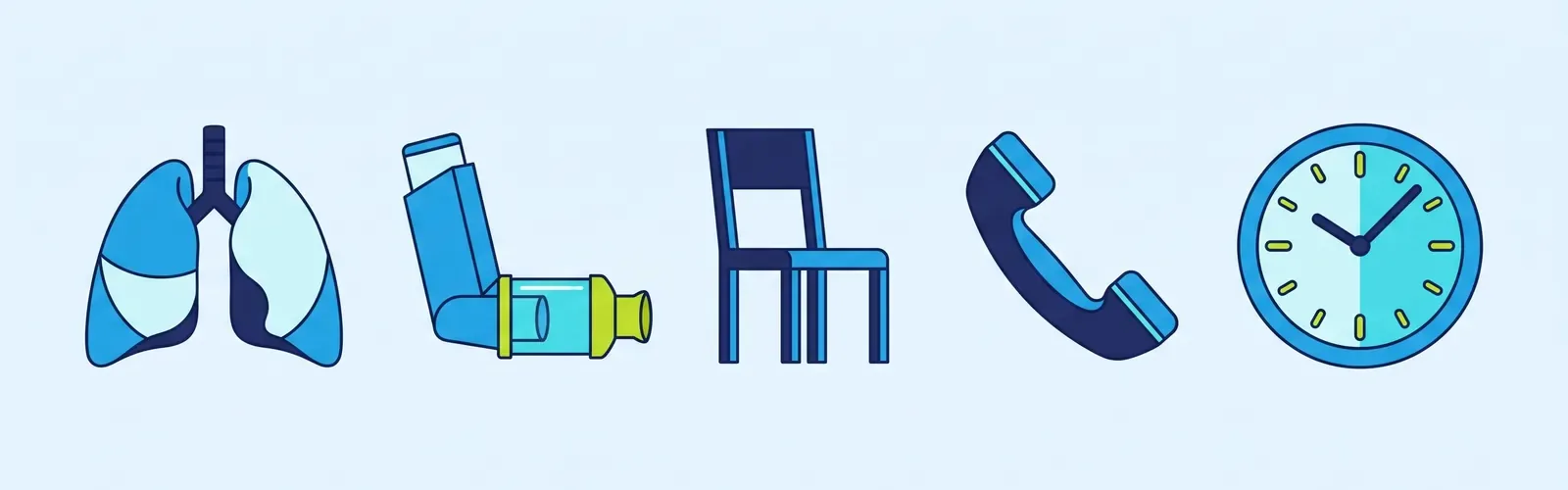
Asthma attack: what to do
Sit up, one puff at a time up to ten, and the signs that mean call 108. Keep it on the fridge.
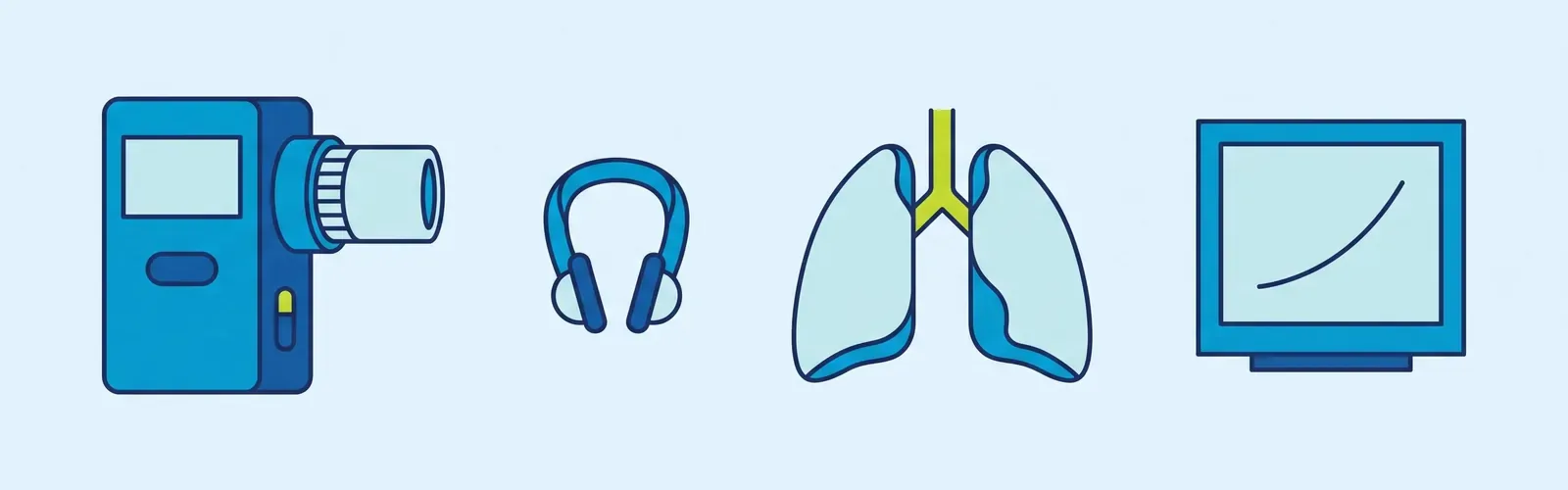
Before your spirometry
What to avoid before the test, which inhalers to hold back and for how long, and what happens in the room.
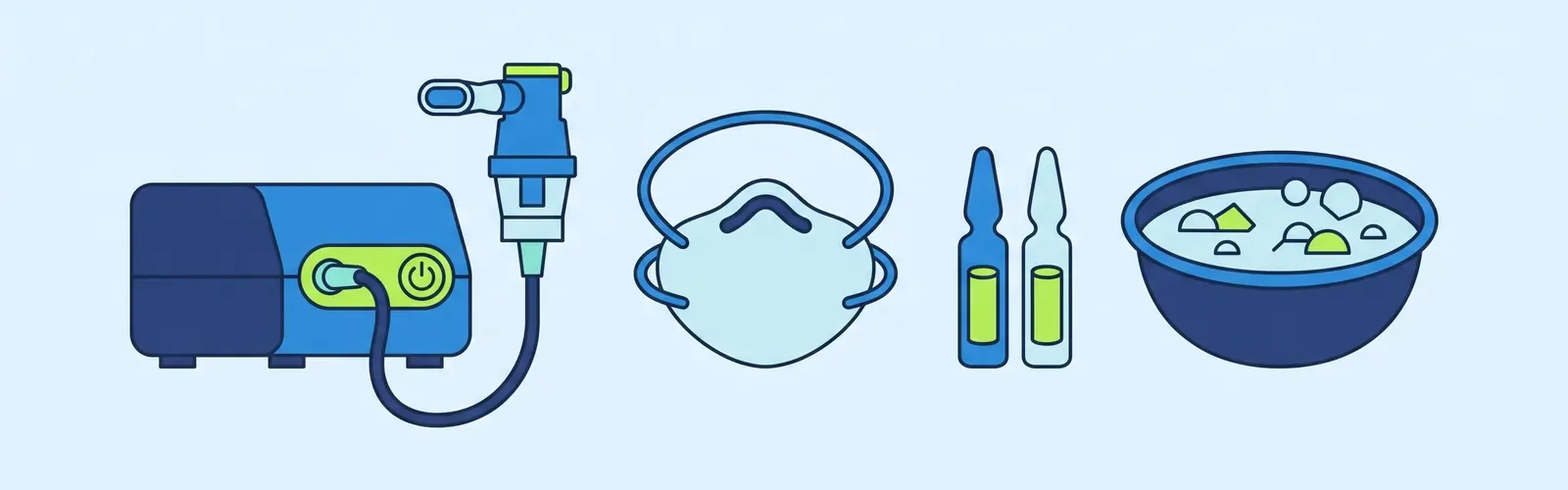
Using a nebuliser at home
How to give a dose, how to clean the cup and mask after every use, and when needing it too often is a warning.
Also on this site: Home sleep study
Tests and general care
Test preparation, sample collection, bowel preparation, kidney biopsy, fever and iron. Primary Care at Caspian
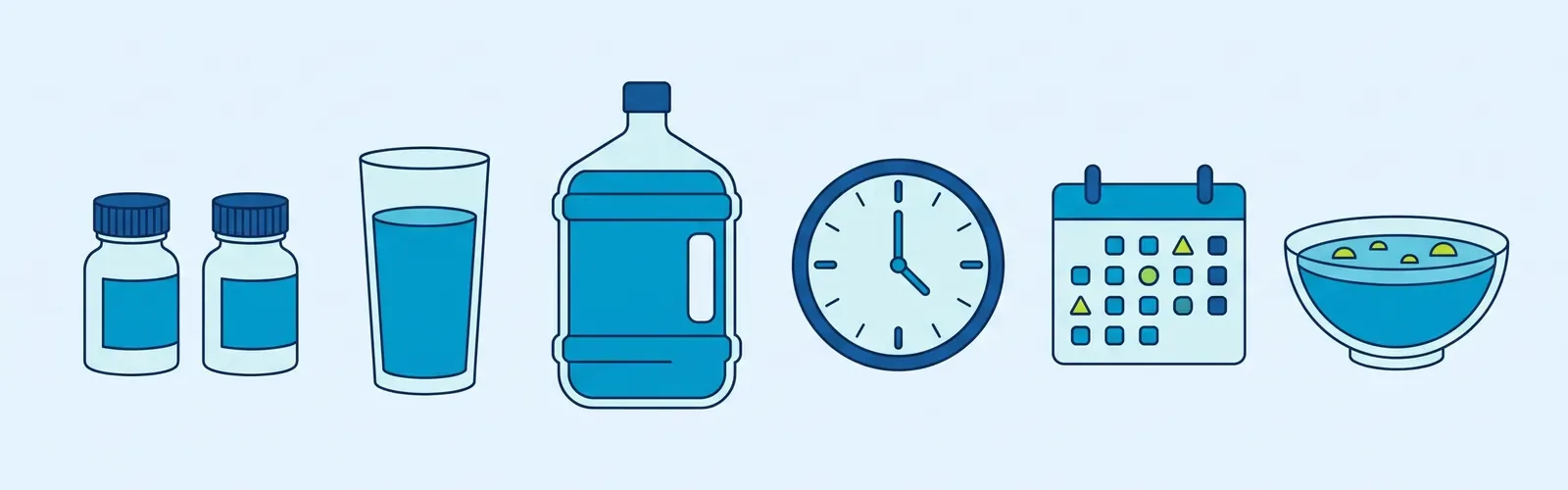
Bowel preparation before colonoscopy
The two-bottle Coloprep kit: what to eat, when to drink each dose, what to expect, and when to stop and get help.
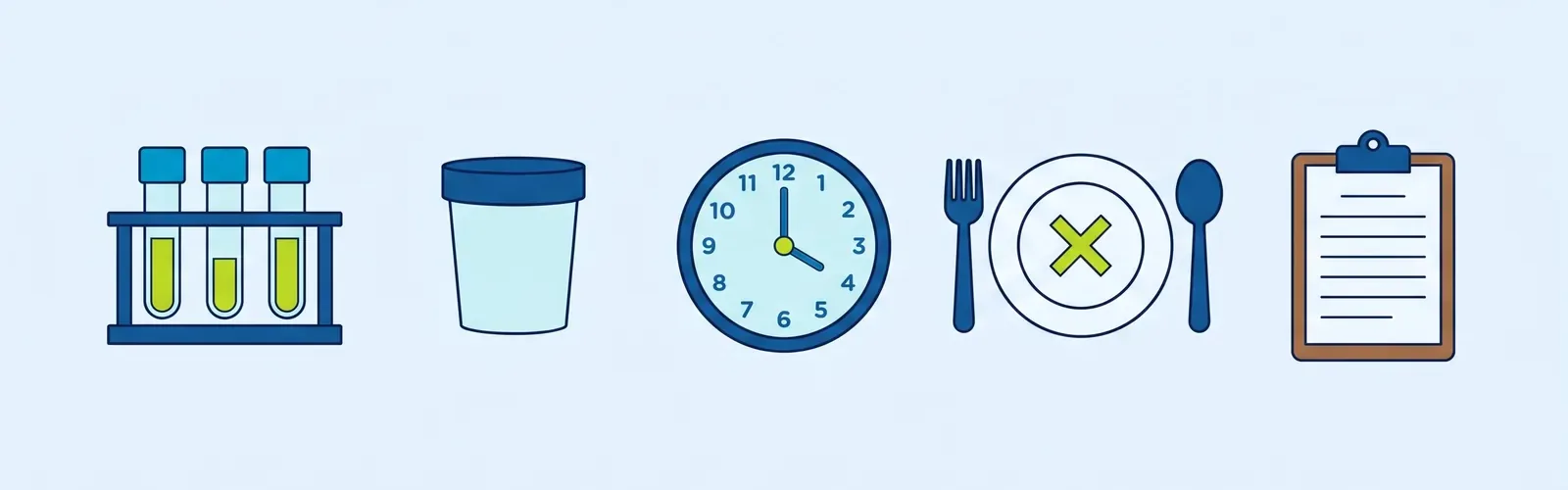
Preparing for your tests
One table for every common test: whether to fast, for how long, and what to do with your morning medicines.
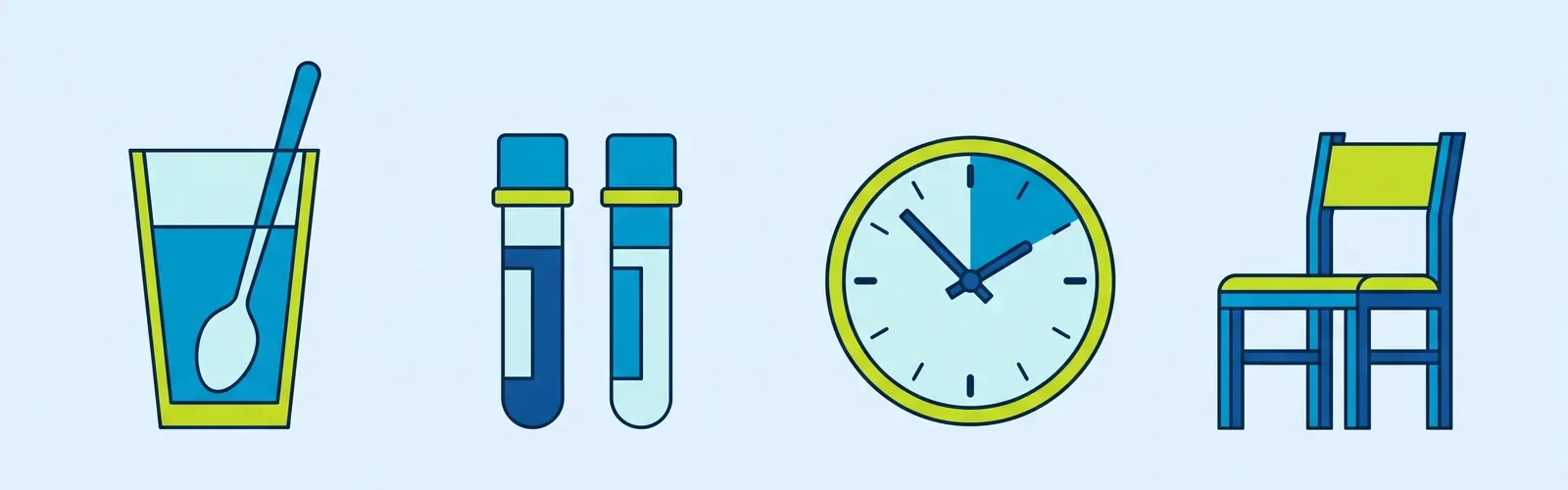
The glucose tolerance test
A two-hour test to diagnose diabetes or prediabetes: how to prepare for three days, and what happens on the morning.

Collecting a 24-hour urine sample
When to start, what to throw away, what to keep, and how to store the container.
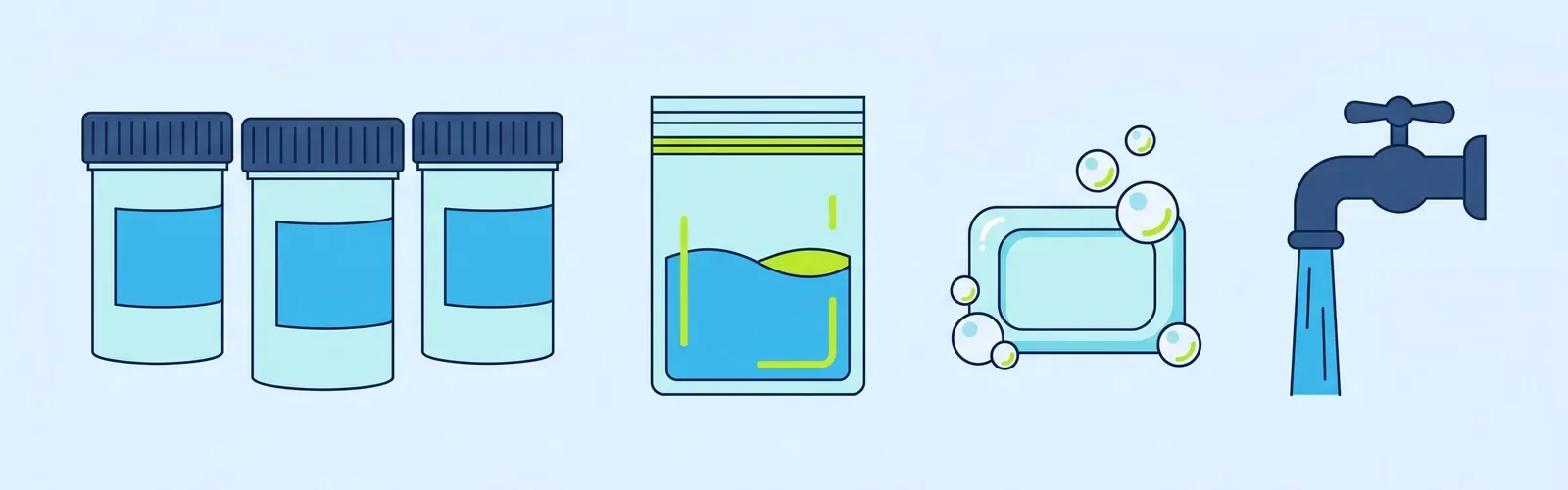
Urine, stool and sputum samples at home
A midstream urine sample, a stool sample and a sputum sample: the right way, so the test does not have to be repeated.
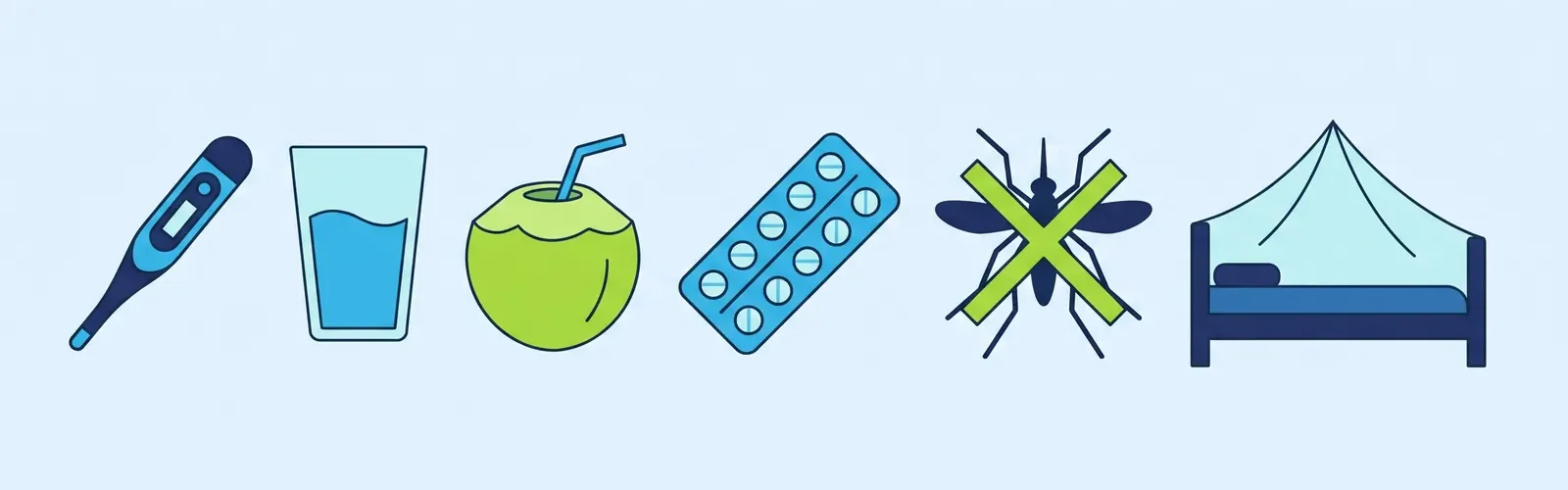
Dengue and viral fever: care at home
Paracetamol only, plenty of fluids, and the warning signs that mean hospital now. The risky days come when the fever falls.
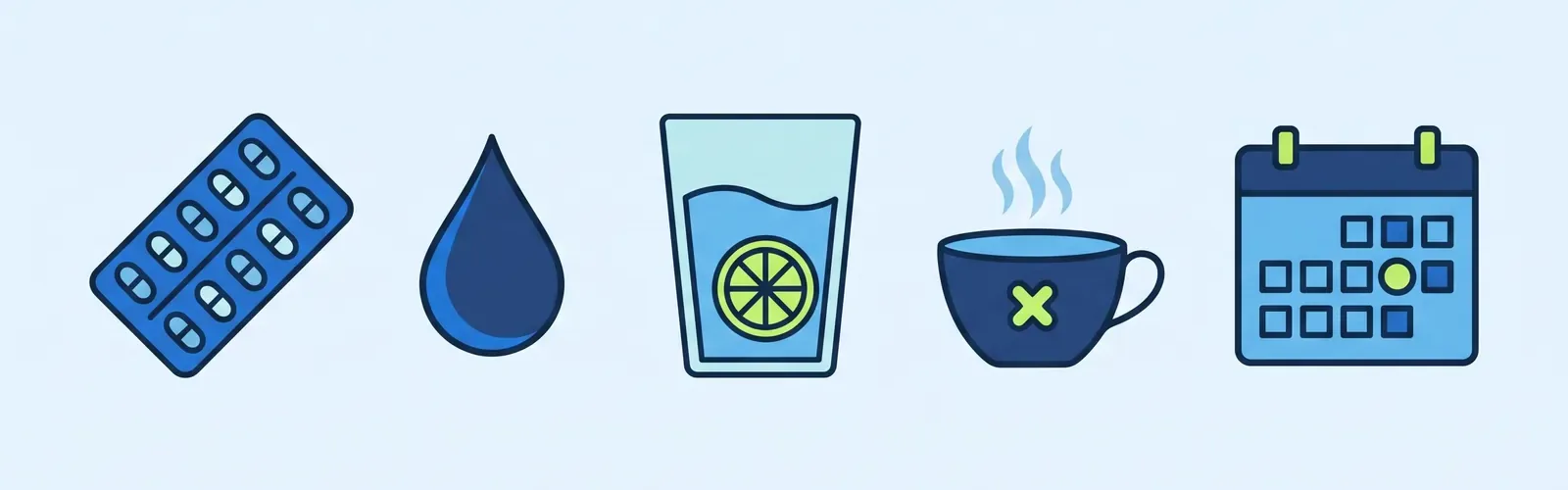
Taking iron tablets
When to take iron, what blocks it, why once a day is enough, and how long to continue.
Kidney biopsy: before and after
What to tell the doctor, which medicines to stop, the night of bed rest after the test, and the warning signs once you are home.
Also on this site: Your report, explained · FibroScan liver camp · Body composition test · Iron infusion · Day care infusions · Adult vaccination · Staying with a patient: attendant policy
How these sheets work
- Each sheet has blanks for your name, your dates and your doses. The doctor or nurse fills them in for you. What is written there is your instruction.
- Each sheet prints on A4 with a QR code, so the paper copy opens on a phone as well.
- Each sheet names its sources: national and international guidelines and product labels, listed at the foot.
- They do not replace your doctor. If the doctor told you something different, follow the doctor.
Caspian Healthcare has no emergency department, intensive care unit or cath lab. In an emergency call 108 or go to the nearest hospital with an emergency department. For problems that are not critical, a doctor is on duty here at all hours.
For doctors and nurses: procedure forms (renal biopsy checklist, consent, requisition and post-procedure orders).